
Accessing your 2020 Honda Accord’s manual is easy! Obtain a free hard copy or download it online via the Honda Owners Site for comprehensive guidance․
Importance of the Owner’s Manual
Your 2020 Honda Accord’s owner’s manual is a vital resource, offering detailed insights into your vehicle’s operation and maintenance․ It’s far more than just a guide to starting the engine; it’s a comprehensive compendium of information designed to maximize your driving experience and ensure the longevity of your investment․
Understanding the manual allows you to fully utilize features like the Honda Sensing suite, including Adaptive Cruise Control and Lane Keeping Assist․ It details crucial safety information, like proper airbag system function and child safety seat installation procedures․ Furthermore, it provides a recommended maintenance schedule, oil change guidance, and instructions for checking fluid levels – all essential for preventing costly repairs and maintaining optimal performance․ Ignoring the manual could lead to improper vehicle operation or missed maintenance, potentially voiding warranty coverage․
Where to Find the 2020 Honda Accord Owner’s Manual
Locating your 2020 Honda Accord’s owner’s manual is straightforward․ You can acquire a physical, hard copy – a valuable resource to keep in your vehicle․ Alternatively, and increasingly common, is accessing the manual digitally; The official source is the Honda Owners Site, offering a downloadable version for convenient access on your computer or mobile device․
For those preferring a physical copy, the 2020 Honda Accord Sedan Owners Manual is available for purchase through retailers like Amazon․com (ISBN-13: 978-2990501569)․ This edition boasts dimensions of 7․8 x 5․15 x 0․4 inches․ Online forums, such as DriveAccord, also discuss accessing and utilizing these resources, providing a community for owners seeking assistance․

Understanding Your Vehicle
Familiarize yourself with key aspects! Locate the Vehicle Identification Number (VIN) and gain an overview of the Accord’s essential components and systems․
Vehicle Identification Number (VIN) Location
Locating your 2020 Honda Accord’s Vehicle Identification Number (VIN) is crucial for various reasons, including vehicle history reports, warranty claims, and potential theft recovery․ The VIN is a unique 17-character code specific to your vehicle․
On the 2020 Accord, you can find the VIN in several places: on the driver’s side dashboard, visible through the windshield; on the driver’s side doorjamb, affixed to a sticker; and on your vehicle registration and insurance documents․
Carefully inspect these locations to ensure you have the correct VIN․ This number is essential for identifying your specific vehicle and accessing important information related to its history and maintenance․
Key Components and Systems Overview
The 2020 Honda Accord boasts a sophisticated array of components and systems designed for performance, safety, and comfort․ Key areas include the engine – available in turbocharged or hybrid configurations – and the transmission, offering smooth and efficient power delivery․
The vehicle’s chassis and suspension systems contribute to its refined handling, while the braking system ensures reliable stopping power․ Furthermore, the Accord incorporates advanced technologies like Honda Sensing, encompassing features such as Adaptive Cruise Control and Lane Keeping Assist․
Understanding these core systems is vital for proper vehicle operation and maintenance, ensuring a long-lasting and enjoyable driving experience․ Refer to dedicated sections within this manual for detailed information on each component․

Starting and Operating Your Vehicle
Begin your journey by turning on the vehicle and starting the engine! This manual details procedures for both automatic and manual transmissions․
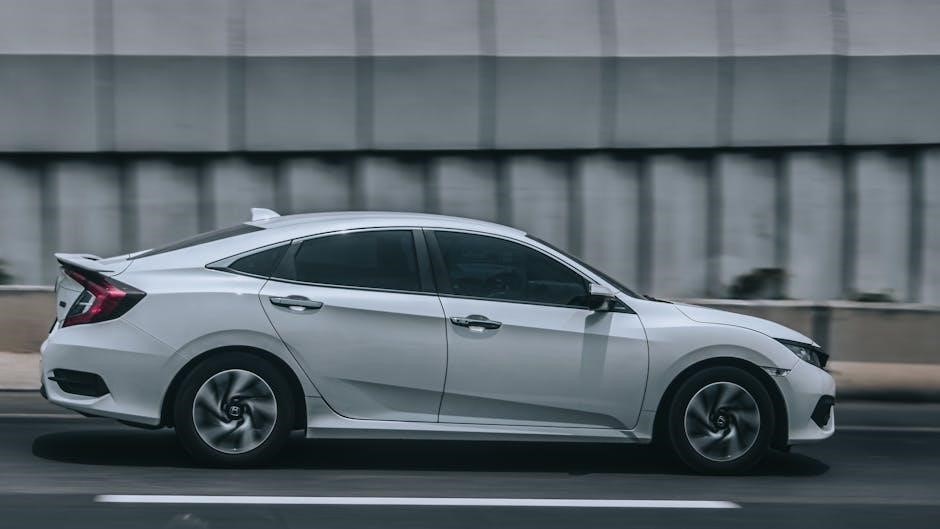
Starting the Engine — Automatic Transmission
To initiate the engine with an automatic transmission, ensure the gear selector is firmly positioned in ‘P’ (Park) or ‘N’ (Neutral)․ Fully depress the brake pedal; this is a crucial safety measure․ Then, turn the ignition key to the ‘START’ position, or press the engine start/stop button if your Accord is so equipped․
Hold the key or button until the engine smoothly starts․ Once running, release the key or button․ Avoid prolonged cranking, as this can potentially damage the starter motor․ If the engine doesn’t start after a few attempts, consult the troubleshooting section of this owner’s manual for further assistance․ Remember to always prioritize safety and follow these steps carefully․
Starting the Engine — Manual Transmission (If Applicable)
For models equipped with a manual transmission, starting requires a slightly different procedure․ First, ensure the parking brake is firmly engaged․ Fully depress the clutch pedal; this disengages the engine from the transmission, preventing unintended movement․ Shift the gear selector into neutral․ Turn the ignition key to the ‘START’ position, or press the engine start/stop button, holding it until the engine starts․
Release the key or button once the engine is running smoothly․ Gradually release the clutch pedal while gently applying pressure to the accelerator․ If the engine fails to start, verify the gear is in neutral and repeat the process․ Always prioritize safety and consult the manual for detailed troubleshooting․
Dashboard Indicators and Warnings
Your 2020 Honda Accord’s dashboard features a comprehensive array of indicators and warning lights․ These provide crucial information about your vehicle’s status․ Solid lights generally indicate a system is actively engaged, like headlights․ Flashing or illuminated warning lights signal a potential issue requiring attention․
Pay close attention to lights related to engine function, brake systems, and tire pressure․ Ignoring warning lights can lead to more significant problems․ Refer to the owner’s manual for a detailed explanation of each indicator, its meaning, and recommended actions․ Promptly addressing warnings ensures safe and reliable operation․
Understanding the Multi-Information Display (MID)
The 2020 Honda Accord’s Multi-Information Display (MID) provides customizable access to vital vehicle data․ Located within the instrument cluster, the MID showcases information like fuel economy, trip mileage, and vehicle settings․ Utilize steering wheel-mounted controls to navigate through different screens and customize displayed content․
The MID also presents important warnings and maintenance reminders․ Familiarize yourself with its functions to monitor vehicle performance effectively․ You can adjust settings for clock display, audio information, and Honda Sensing features․ Regularly checking the MID ensures you stay informed about your Accord’s operational status․

Driving Your 2020 Honda Accord
Master basic driving techniques and explore advanced features! The Honda Sensing suite, adaptive cruise control, and lane keeping assist enhance your driving experience․
Basic Driving Techniques
Initiating your driving experience in the 2020 Honda Accord begins with a simple process: turning on the vehicle and starting the engine․ This foundational step unlocks a world of driving possibilities․ Ensure you are comfortably seated and have adjusted all mirrors for optimal visibility before proceeding․ Familiarize yourself with the placement of essential controls, such as the steering wheel, accelerator, and brake pedal․
Smooth acceleration and controlled braking are key to a comfortable and safe ride․ Practice gentle steering inputs to maintain lane position and navigate turns effectively․ Always be aware of your surroundings, anticipate potential hazards, and maintain a safe following distance from other vehicles․ Remember to signal your intentions clearly before changing lanes or making turns․ Prioritizing these basic techniques will contribute to a confident and enjoyable driving experience․
Honda Sensing Suite Features
The 2020 Honda Accord boasts the advanced Honda Sensing suite, a collection of driver-assistive technologies designed to enhance safety and convenience․ This comprehensive system includes features like Adaptive Cruise Control and Lane Keeping Assist System (LKAS), working in harmony to provide a more secure driving experience․
These technologies aren’t substitutes for attentive driving, but rather tools to assist the driver․ LKAS helps keep the vehicle centered within its lane, while Adaptive Cruise Control maintains a set following distance․ Understanding the operational limits and proper usage of each feature is crucial for maximizing their benefits and ensuring safe operation․ Refer to the owner’s manual for detailed explanations and system limitations․
Adaptive Cruise Control Operation
The 2020 Honda Accord’s Adaptive Cruise Control (ACC) allows you to maintain a set speed and following distance from the vehicle ahead․ Activated via steering wheel controls, ACC uses sensors to detect vehicles and automatically adjust your speed to maintain a safe gap․
Drivers can select preferred following intervals․ ACC functions best in clear conditions and on well-marked highways․ It’s vital to remain attentive and prepared to take control, as ACC has limitations in heavy traffic, inclement weather, or with stationary objects․ The system may not react to sudden changes or curves․ Consult the owner’s manual for detailed instructions and warnings regarding ACC operation․
Lane Keeping Assist System (LKAS)
The 2020 Honda Accord’s Lane Keeping Assist System (LKAS) is designed to help keep your vehicle centered in its lane․ Activated through the Honda Sensing suite, LKAS uses a forward-facing camera to detect lane markings․ When activated, it provides steering assistance to help prevent unintentional lane departures․
LKAS is most effective on clearly marked highways and roads․ Drivers must maintain a firm grip on the steering wheel, as LKAS is an assistive system, not a self-driving feature․ The system will alert you if it detects your hands are removed from the wheel for extended periods․ Always remain attentive and prepared to steer manually, especially in challenging driving conditions․ Refer to the owner’s manual for complete details․

Maintenance and Care
Ensure optimal performance and longevity by adhering to the recommended maintenance schedule, including oil changes, fluid checks, and tire pressure monitoring․
Recommended Maintenance Schedule
Maintaining your 2020 Honda Accord involves a structured schedule to ensure reliability and peak performance․ Regular inspections are crucial, beginning with oil and filter changes – typically every 7,500 to 10,000 miles, depending on driving conditions and oil type․ Tire rotations should occur every 5,000 miles to promote even wear and extend tire life․
Fluid level checks (engine oil, coolant, brake fluid, power steering fluid, and windshield washer fluid) are vital, performed routinely․ Air filter replacement is recommended every 15,000 to 30,000 miles․ More extensive services, like spark plug replacement and drive belt inspections, are scheduled at higher mileage intervals, as detailed in the owner’s manual․ Following this schedule helps prevent costly repairs and keeps your Accord running smoothly for years to come․
Oil Change Procedures
Performing an oil change on your 2020 Honda Accord requires careful steps․ First, warm up the engine slightly․ Locate the oil drain plug underneath the vehicle and position a drain pan․ Carefully remove the plug, allowing the old oil to drain completely․ Simultaneously, remove the oil filter using an appropriate wrench․
Lubricate the new oil filter’s gasket with fresh oil before installing it hand-tight․ Reinstall the drain plug with a new crush washer, tightening to the specified torque․ Finally, add the correct amount of new oil (refer to your owner’s manual for capacity) and check the oil level with the dipstick․ Properly dispose of the used oil and filter at a recycling center․
Tire Pressure Monitoring System (TPMS)
Your 2020 Honda Accord features a Tire Pressure Monitoring System (TPMS) designed to alert you when tire pressure is low․ A TPMS indicator light on the dashboard illuminates when pressure drops significantly in one or more tires․ Maintaining proper tire pressure is crucial for safety, fuel efficiency, and tire longevity․
Regularly check tire pressure with a reliable gauge, even if the TPMS light isn’t on․ Recommended pressure is found on the driver’s side doorjamb placard, not the tire sidewall․ After inflating tires, the TPMS may require a reset or drive cycle to recalibrate․ Ignoring low tire pressure can lead to uneven wear and potential hazards․
Fluid Level Checks and Top-Ups
Maintaining proper fluid levels is vital for your 2020 Honda Accord’s performance and longevity․ Regularly check engine oil, coolant, brake fluid, power steering fluid (if applicable), and windshield washer fluid․ Refer to your owner’s manual for specific locations and recommended fluid types․
To check oil, park on level ground and allow the engine to cool․ Use the dipstick, wiping it clean before reinserting and checking the level․ Top up as needed with the correct oil grade․ Coolant levels should be checked when the engine is cold․ Always use Honda-approved fluids to avoid damage and maintain warranty coverage․

Safety Features
Your 2020 Accord prioritizes safety with features like airbags, seat belts, and child seat installation guidance—detailed within the owner’s manual for optimal protection․
Airbag System Information
Understanding your 2020 Honda Accord’s airbag system is crucial for safety․ The owner’s manual provides detailed information regarding the supplemental restraint system (SRS), including the locations of all airbags – front, side, and side curtain airbags․ It explains how the system functions during a collision, deploying to offer crucial protection to occupants․
Important cautions are outlined, emphasizing that airbags are designed to work with seat belts, not as a replacement․ The manual details potential risks, particularly for children, and stresses the importance of proper child restraint system installation․ It also covers situations where airbag deployment might not occur, such as low-speed impacts or certain types of collisions․ Always refer to the manual for complete and accurate information regarding the airbag system’s operation and safety guidelines․
Seat Belt Usage and Safety
Proper seat belt use is paramount for safety in your 2020 Honda Accord․ The owner’s manual thoroughly details the correct way to wear seat belts, emphasizing that they should fit snugly across the hips, not the stomach․ It explains the importance of using seat belts on every trip, regardless of distance, and for all occupants․
The manual also covers specific seat belt considerations for pregnant women and children, reinforcing the need for appropriate child restraint systems․ It details how to inspect seat belts for damage and proper function, and outlines procedures for cleaning and maintaining them․ Remember, seat belts are the primary safety device in a collision, working in conjunction with airbags to minimize injury․ Always prioritize seat belt usage for a safer driving experience․
Child Safety Seat Installation
The 2020 Honda Accord owner’s manual provides detailed guidance on correctly installing and using child safety seats․ It stresses the importance of following both the vehicle’s instructions and the child seat manufacturer’s guidelines for optimal protection․ The manual illustrates proper LATCH (Lower Anchors and Tethers for Children) system usage, detailing anchor point locations within the Accord․
It also explains how to secure child seats using the vehicle’s seat belts, emphasizing the need for a tight and secure fit․ Specific instructions are provided for different types of child seats – rear-facing, forward-facing, and booster seats – based on the child’s age, weight, and height․ Always consult the manual to ensure your child’s car seat is installed correctly, maximizing their safety during travel․

In Case of Emergency
Your 2020 Honda Accord manual details crucial procedures for breakdowns, jump-starting, and accident response, ensuring you’re prepared for unexpected roadside situations․
Emergency Breakdown Procedures
Should your 2020 Honda Accord experience a breakdown, prioritize safety first․ Carefully pull over to a safe location, well away from traffic, activating your hazard lights to alert other drivers․ Consult your owner’s manual for specific guidance on assessing the situation and determining if it’s safe to remain in the vehicle․
The manual provides detailed instructions on contacting roadside assistance, including Honda’s dedicated support services․ It also outlines steps for safely exiting the vehicle and positioning yourself away from the roadway․ Be prepared to clearly communicate your location and the nature of the problem to the assistance provider․ Remember, your owner’s manual is a vital resource during stressful emergency situations, offering clear and concise guidance․
Jump Starting Procedures
If your 2020 Honda Accord’s battery is depleted, a jump start can get you moving again․ Your owner’s manual details the precise procedure, emphasizing safety precautions․ Ensure both vehicles are turned off before connecting the jumper cables in the correct order – positive to positive, negative to a grounded metal surface on your Accord․
Avoid connecting the negative cable directly to the discharged battery․ Once connected, start the assisting vehicle, let it run for a few minutes, then attempt to start your Accord․ If it doesn’t start immediately, allow further charging before trying again․ Disconnect the cables in the reverse order of connection after a successful jump start․
What to Do in an Accident
In the unfortunate event of an accident involving your 2020 Honda Accord, your owner’s manual provides crucial guidance․ First, ensure the safety of yourself and passengers․ Check for injuries and, if possible, move the vehicle to a safe location away from traffic․
Exchange information with other drivers involved, including insurance details and contact information․ Contact emergency services immediately if injuries require medical attention or if the accident involves significant damage․ Document the scene with photos, and file a police report․ Your manual also outlines the process for filing an insurance claim, ensuring a smoother resolution․

Technical Specifications
Discover detailed specifications for your 2020 Accord! Explore engine details, transmission types, and crucial dimensional and capacity information within the owner’s manual․
Engine Specifications
The 2020 Honda Accord offered multiple engine options, each with distinct performance characteristics․ The standard engine was a 1․5-liter turbocharged inline-4, producing 192 horsepower and 192 lb-ft of torque, known for its fuel efficiency and responsive acceleration․
For those seeking more power, a 2․0-liter turbocharged inline-4 was available, delivering 252 horsepower and 273 lb-ft of torque․ This engine provided a more spirited driving experience․ Both engines utilized direct injection and continuously variable transmission (CVT) for smooth operation․
The owner’s manual details specific compression ratios, valve train configurations, and fuel requirements for each engine variant․ Understanding these specifications is crucial for proper maintenance and optimal performance of your 2020 Honda Accord’s engine․
Transmission Specifications
The 2020 Honda Accord primarily featured a Continuously Variable Transmission (CVT), designed for smooth, efficient power delivery and optimized fuel economy․ This CVT offered simulated gear ratios for a more natural driving feel․ However, the 2․0-liter turbocharged engine option was available with a responsive and engaging 10-speed automatic transmission․
The owner’s manual provides detailed information regarding fluid type, capacity, and recommended service intervals for both transmission types․ Understanding these specifications is vital for maintaining optimal performance and preventing potential issues․
Specific gear ratios for the 10-speed automatic are outlined, alongside explanations of the CVT’s operation and maintenance requirements․ Proper transmission care, as detailed in the manual, ensures longevity and a consistently enjoyable driving experience in your 2020 Honda Accord․
Dimensions and Capacities
The 2020 Honda Accord’s owner’s manual details crucial dimensional specifications, including overall length, width, and height, aiding in parking and storage considerations․ Interior dimensions, such as headroom and legroom, are also provided for passenger comfort assessment․
Regarding capacities, the manual outlines fuel tank volume, coolant capacity, and oil capacity for each engine option․ It also specifies cargo space with rear seats up and folded down, useful for planning trips and hauling items․
Weight specifications, including curb weight and gross vehicle weight rating (GVWR), are essential for safe towing and load management․ These details, found within the manual, contribute to responsible vehicle operation and maintenance․

Warranty Information
The 2020 Honda Accord owner’s manual thoroughly explains Honda’s warranty coverage, detailing claim procedures and outlining the duration of parts and labor protection․
Honda Warranty Coverage Details
Understanding your 2020 Honda Accord’s warranty is crucial for peace of mind․ Honda provides comprehensive coverage, beginning with a basic warranty protecting against defects in materials and workmanship․ This typically spans a defined period, like three years or 36,000 miles, whichever comes first․
Furthermore, a powertrain warranty often extends longer, perhaps five years or 60,000 miles, safeguarding the engine, transmission, and other vital components․ Corrosion protection is also included, varying by region and treatment processes․
The owner’s manual meticulously details what’s covered, exclusions, and the process for submitting a warranty claim․ Regularly reviewing this information ensures you’re aware of your rights and responsibilities, maximizing the benefits of your Honda’s warranty protection․
Warranty Claim Procedures
Filing a warranty claim for your 2020 Honda Accord requires a systematic approach․ First, thoroughly review your owner’s manual to confirm the issue is covered under warranty terms and conditions․ Then, schedule a service appointment with an authorized Honda dealership – independent shops generally cannot process warranty claims․
During the appointment, clearly explain the problem to the service advisor and allow them to diagnose the issue․ If the repair is covered, the dealership will submit the claim directly to Honda․
Keep detailed records of all interactions, including dates, service advisor names, and repair orders․ Honda may require documentation, so maintaining organized records streamlines the process and ensures a smooth warranty experience․