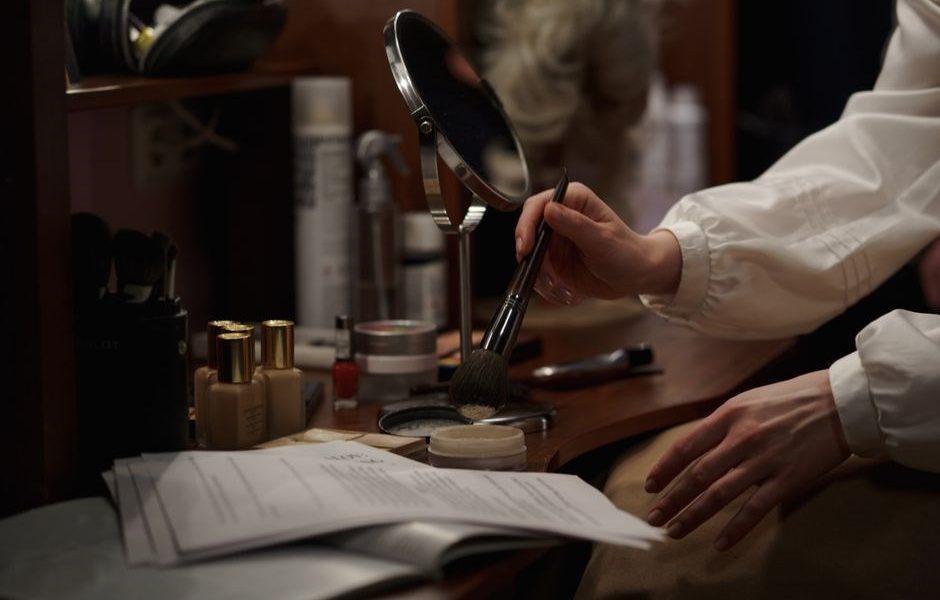
Free mystery dinner theater PDFs let community groups stage engaging, cost‑effective productions. Ready‑made plots, character sheets, and stage directions spark creativity and audience participation. These PDFs are available online for a theaters.
What is a Mystery Dinner Theater?
A mystery dinner theater is an interactive performance where guests dine while following a scripted whodunit. Actors portray suspects, investigators, and witnesses, weaving clues into dialogue and stage actions; The audience, seated at a banquet table, becomes part of the investigation, asking questions, gathering evidence, and voting on the culprit at the end. The format blends culinary experience with theatrical suspense, encouraging collaboration and surprise. Each evening’s plot is usually self‑contained, allowing groups to rotate scripts without extensive rehearsal. The genre thrives on character depth, plot twists, and audience engagement, making it ideal for themed parties, corporate events, or community theater. Because the script drives the narrative, many organizations rely on freely available PDFs to reduce costs while maintaining high production quality. These PDFs provide detailed scene breakdowns, character biographies, and stage cues, enabling amateur directors to adapt the material to their venue and cast size. The result is a memorable, participatory event that keeps diners entertained long after the last bite. By downloading these PDFs, theater groups can focus on rehearsal and audience interaction, ensuring fully a mystery experience for participants.
This PDF format lets groups tweak settings, audience roles, creating a lively evening!
Historical Popularity of Mystery Dinner Theater
From the 1970s, mystery dinner theaters emerged in the United States as a form that incorporated a communal dining experience. The production, “The Murder at the Ritz,” premiered in 1974 in New York City, attracting people liked the interactive format and mysterythe opportunity to solve the crime! By the 1980s, the genre had spread to the United Kingdom, Canada, and Australia, with regional theaters and community groups adopting the model for fundraising and social events. The 1990s saw a surge in popularity, fueled by television shows such as “Murder, She Wrote” and “The Great British Bake Off” featuring mystery elements, which inspired audiences to seek immersive experiences. In the early 2000s, the rise of internet forums and downloadable scripts made mystery dinner theater more accessible to local clubs to stage productions that would otherwise be financially prohibitive. The availability of free scripts online has democratized the genre, enabling schools, churches, and the clubs to stage productions that would otherwise be financially prohibitive. Many contemporary mystery dinner theaters use tech, like QR codes for clues and live streaming, expanding the format’s reach in interactive settings for audiences. Tailoring the mystery to venue size and cast, directors can adapt scripts to fit their resources. By sharing free PDFs, communities host low‑cost, memorable events that keep diners guessing until the final reveal. These gatherings foster community.
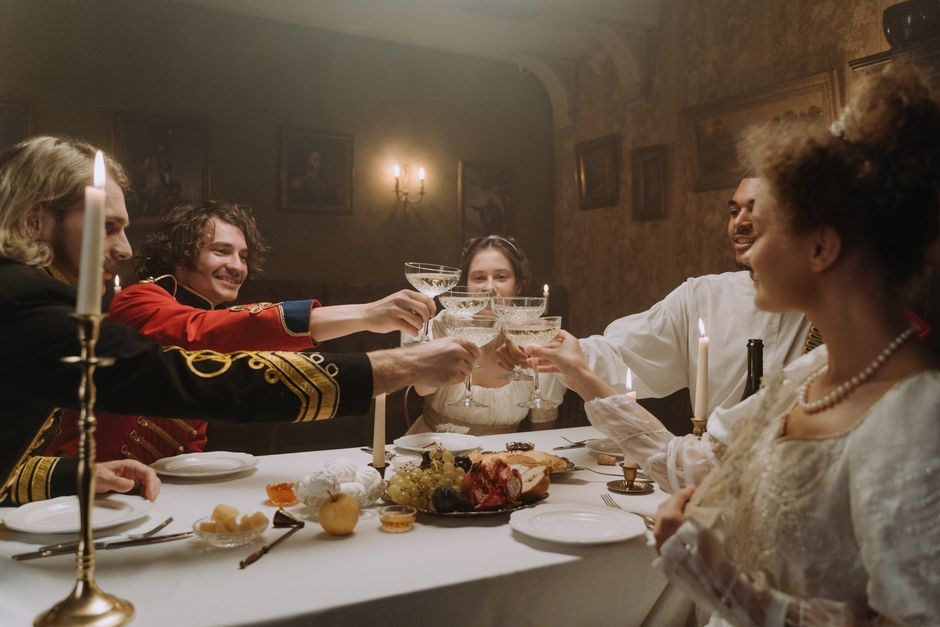
Availability of Free Scripts
Free mystery dinner theater scripts PDFs can be found on public domain sites, Creative Commons libraries, and community forums. Downloading from official libraries ensures legal use while offering diverse genres and customizable formats. for all ages.
Legal Sources for Free PDFs
Legal sources for free mystery dinner theater scripts PDFs are essential for ensuring compliance with copyright law while still providing accessible material for community productions; The most reliable repositories include public‑domain collections such as Project Gutenberg and the Internet Archive, where older works that have fallen into the public domain can be downloaded in PDF format without licensing fees. Additionally, the Library of Congress’s digital collections offer a range of theatrical scripts that are free to use, provided the user adheres to the institution’s usage guidelines. For contemporary works that remain under copyright, Creative Commons‑licensed scripts are a valuable alternative; sites such as the CC Search portal and the Open Library allow users to filter for works that permit commercial use and modifications. Many university libraries maintain digital archives of student‑written plays and local theater productions, often shared under open‑access agreements that permit redistribution. Community theater groups frequently host their own repositories on platforms like GitHub or Google Drive, where members can upload and share scripts that have been explicitly released into the public domain or licensed under permissive terms. By consulting these legal sources, organizers can confidently source scripts, adapt them for dinner‑theater formats, and avoid potential copyright infringement. These resources provide foundation for compliant experiences!!
Public Domain Mystery Scripts
Public domain mystery scripts are safe material for theater groups. Classic detective tales from the 20th century—Agatha Christie’s works before 1923, Arthur Conan Doyle’s Sherlock Holmes adventures, and the “Whodunnit” plays by William Poole—have entered the domain and are from Project Gutenberg, Internet Archive, and the Public Domain Review. These texts often come with directions, character lists, and dialogue that can be adapted for a setting with editing. Scripts are available in multiple file types—PDF, EPUB, text—can convert them into for notes or add clues. Because works are in domain, alter to create without permissions paying royalties. Public‑domain scripts let groups experiment with twists preserving intrigue. These public‑domain scripts offer a solid base for creative adaptation. By rearranging scenes, adding characters, or updating dialogue, groups can tailor story to fit their venue and audience. PDFs enable production of programs, cue sheets, and flyers at no cost. Many community theaters have staged shows using these resources, earning praise for originality and engagement. A memorable dinner‑theater hinges on thoughtful pacing, interactive clues, and a cohesive plot invites guests to solve mystery.
Creative Commons Licensed Scripts
Creative Commons (CC) licensed mystery scripts provide a flexible, royalty‑free foundation for dinner‑theater productions. Many authors release their works under CC‑BY, CC‑BY‑SA, or CC‑BY‑NC, allowing groups to adapt, remix, and distribute the material while giving credit. Platforms such as Crowdcast, Flicks, and Scripted host thousands of CC‑licensed scripts, searchable by genre, length, and character count. When selecting a CC‑licensed script, verify the specific license to ensure compliance—some restrict commercial use or require derivative works to carry the same license. The scripts often include stage directions, props lists, and audience interaction points, making them ready for immediate adaptation. Because the content is open, groups can modify scenes to fit venue size. The CC community offers forums where playwrights share tips on pacing and engagement. By leveraging CC‑licensed scripts, theater groups can produce high‑quality mystery shows without incurring licensing fees, thereby expanding creative possibilities and audience reach. These scripts often include detailed stage directions, props lists, and audience interaction prompts, making them ready for immediate adaptation for all skills. They are ideal for community theater groups, flexibility;
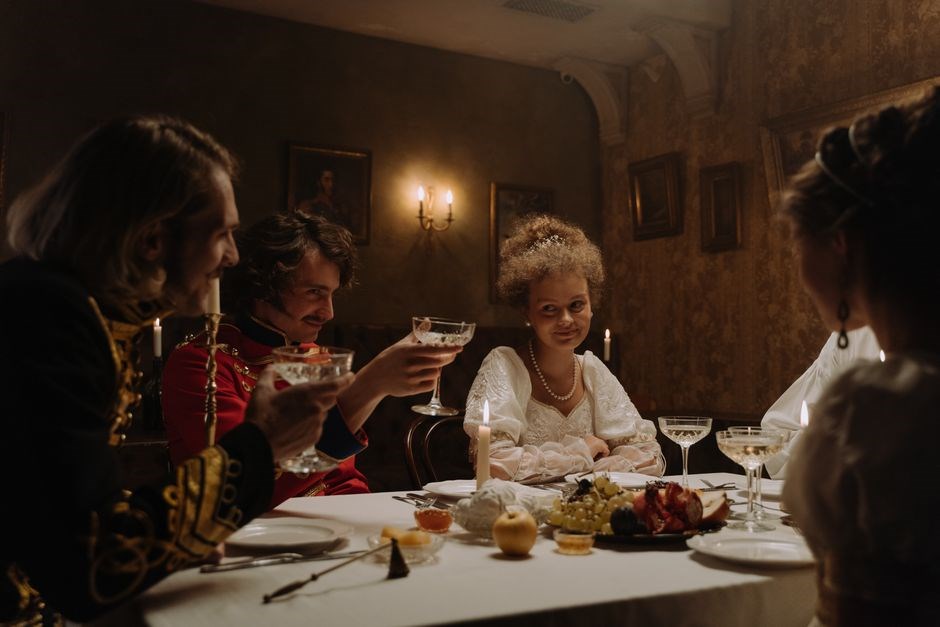
Popular Free Mystery Scripts
Top free PDFs feature classic whodunits, interactive clues, and ready‑made props lists. Fans download “Who Killed Mr. Green?” and “The Secret of the Old Manor” for lively, budget‑friendly productions. Enjoy! and share!!!.
“Who Killed Mr. Green?” – A Classic Mystery
In this timeless whodunit, a wealthy heir named Mr. Green is found dead in his study during a lavish dinner party. The script invites 12 actors to inhabit roles ranging from the suspicious butler to the enigmatic housekeeper, each with hidden motives and cryptic clues. The narrative unfolds over three acts, allowing the audience to interrogate suspects, uncover alibis, and piece together the motive. The PDF includes detailed stage directions, lighting cues, and a prop list that encourages interactive engagement. Participants can collect “evidence” cards hidden in the set, which are later revealed to the audience during the final reveal. The script’s pacing balances suspense with comedic moments, ensuring that even non‑professional performers can deliver compelling performances. The dialogue is crafted to be accessible, with clear stage instructions that facilitate quick rehearsals. The climax culminates in a dramatic confrontation where the true killer is exposed, leaving the audience both satisfied and entertained. This classic mystery is ideal for community theaters, school productions, and dinner‑theater enthusiasts seeking a proven, crowd‑pleasing script that requires minimal set design and can be adapted to various venue sizes. The PDF is freely downloadable from reputable libraries, ensuring legal and ethical use. By incorporating audience participation, the script transforms a simple dinner event into an immersive mystery experience that encourages critical thinking, teamwork, and creative problem‑solving. Whether you are a seasoned director or a first‑time producer, “Who Killed Mr. Green?” offers a reliable framework for a memorable evening of intrigue and entertainment.
“The Secret of the Old Manor” – Family-Friendly Mystery
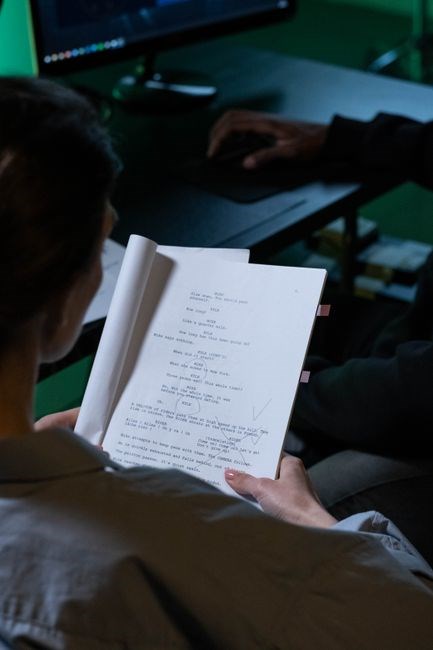
Set in a sprawling, ivy‑clad manor, this family‑friendly mystery invites guests to uncover a long‑hidden secret while enjoying a cozy dinner. The script features eight roles—ranging from the curious young detective to the eccentric gardener—each with a distinct clue that leads to the final revelation. The narrative unfolds over two acts, allowing ample time for playful banter, interactive puzzles, and gentle suspense suitable for all ages. Stage directions emphasize set pieces: a creaky staircase, a dusty attic, and a candle‑lit dining hall, improvisation audience participation. The PDF includes a “clue card” where actors give riddles to diners, who then collaborate to solve the puzzle before the truth is revealed! Dialogue is crafted to be engaging yet accessible, with clear stage cues that enable novice performers to deliver performances. The climax features a heartwarming twist that celebrates teamwork and curiosity, leaving the audience with wonder and a memorable story!! Downloadable from reputable public domain sources,it ensures legal use while providing a ready framework for the bright evening of mystery and merriment !
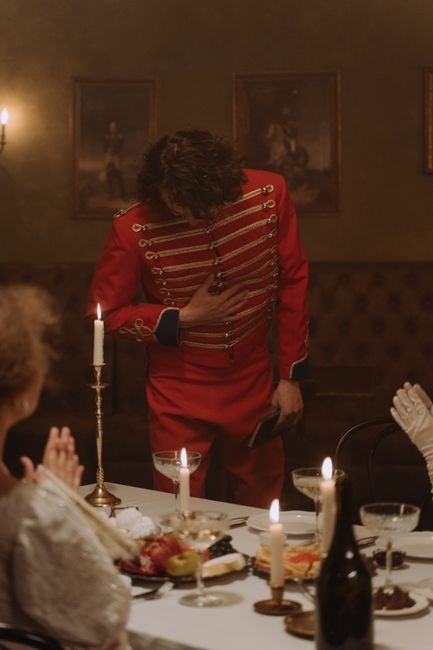
How to Download and Use PDF Scripts
Download PDFs from official libraries, verify the license, then open with a PDF reader. Use a converter like Adobe Acrobat or free online tools to transform into editable Word or Google Docs. Store the file in a drive, label scenes, and rehearse with actors!.
Downloading from Official Libraries
When accessing free mystery dinner theater scripts in PDF format, the most reliable source is official public‑domain libraries and university archives. The Internet Archive hosts a vast collection of classic mystery plays that are free to download, while the Library of Congress offers digitized scripts from the early 20th century. To locate a suitable script, use the library’s search function and filter results by file type, selecting PDF. Many institutions provide a direct download link; some require a short registration or a library card, but guest access is often available. Once the PDF is downloaded, open it with a standard reader such as Adobe Acrobat Reader or Foxit Reader. If you need to edit the script for rehearsal notes or stage directions, convert the PDF to Word or Google Docs using Adobe Acrobat’s export feature or an online converter like Smallpdf. Always check the copyright notice; older works are typically in the public domain, whereas newer titles may be under Creative Commons licenses that allow free use with attribution. By following these steps, the theater groups can legally obtain high‑quality mystery scripts without licensing fees, ensuring compliance with intellectual property laws while enriching their program offerings. Additionally, many libraries provide metadata that includes performance rights information, allowing producers to verify that the script can be staged in their region fees fully!
Converting PDFs to Editable Formats
Converting a mystery dinner theater script from PDF to an editable format is essential for customizing dialogue, stage cues, and character details. The most common workflow starts with a reliable PDF‑to‑Word converter. Adobe Acrobat Pro offers an “Export PDF” tool that preserves formatting and hyperlinks, useful for scripts that reference external resources. Free alternatives such as Smallpdf or ILovePDF provide cloud‑based conversion with a single click, though they may insert watermarks on large files. For higher fidelity, open the PDF in LibreOffice Draw, then export the document as a .docx file; this method keeps the original page layout intact. Once the file is in Word, use “Find and Replace” to standardize character names, ensuring consistency across scenes. After editing, save the document in .docx or .rtf format, then import it into a script‑writing program such as Final Draft or Celtx for final formatting. These programs offer templates for mystery theater, automatically numbering scenes, adding character boxes, and generating cue sheets. By following these steps, producers can transform a static PDF into a dynamic, reusable script that adapts to cast changes, venue constraints, and audience interaction. By using these tools, you can quickly adapt any script to suit your cast, venue, and audience, ensuring polished experience that keeps all guessing until the final reveal.
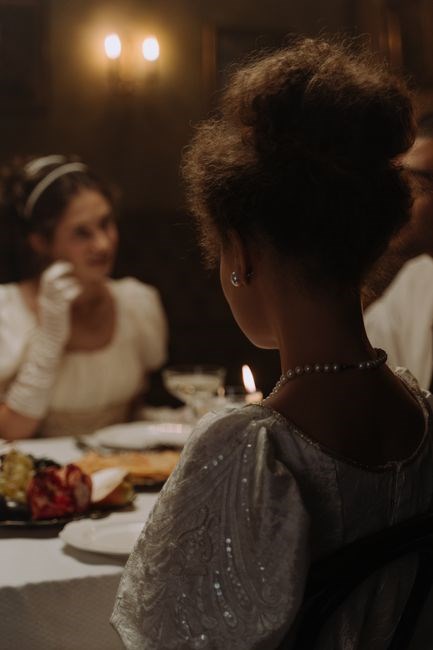
Adapting Scripts for Your Dinner Theater
Tailor scenes, adjust dialogue, and reassign roles to fit your cast size. Use stage directions to guide set changes, insert clues that prompt audience participation Keep pacing tight to maintain suspense
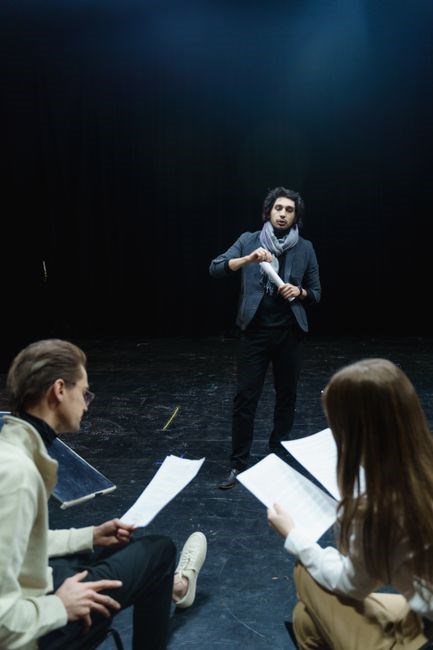
Casting and Character Development
Choosing the right performers is vital when adapting a free mystery dinner theater script. Assess the ensemble size and distinct personalities needed. A balanced cast reflects diverse ages, genders, and backgrounds, mirroring the audience. Audition actors who embody subtle nuances—whether a nervous host, sly butler, or enigmatic guest. A strong stage presence and improvisational skill enhance authenticity.
Character development thrives on collaboration. Provide actors with backstory sheets outlining motivations, secrets, and relationships. Encourage quirks and signature gestures that become clues. Rehearse timed scene runs to ensure entrances and exits match pacing. Subtle adjustments—like whispered confessions—heighten suspense.
Finally, consider logistical constraints. Actors must move between kitchen, dining area, and stage without disrupting service. Assign roles that allow quick costume changes and minimal on‑stage movement, or use a rotating cast to keep energy fresh. Thoughtfully casting and developing characters creates a cohesive, immersive experience. With these adjustments, your dinner theater will deliver an engaging, suspenseful evening that keeps guests guessing until the final reveal, ensuring memorable repeat event.
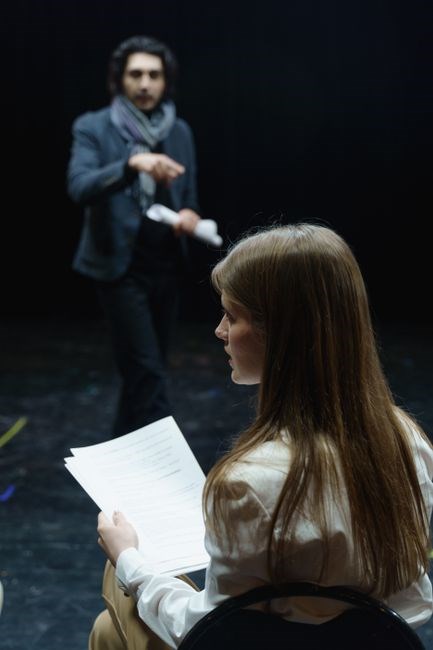
Stage Directions and Set Design
Free mystery dinner theater PDFs often include concise stage directions, but the real magic lies in adapting them to your venue. Start by mapping the dining layout: a central table for guests, a stage area for actors, and hidden alcoves for clues. Use removable walls or folding screens to create a “secret passage” that can be opened during a pivotal moment. Lighting cues should be simple yet effective—spotlights for dramatic reveals, soft washes for intimate conversations. Sound cues can be integrated with the kitchen’s routine noises to mask transitions. Actors should rehearse blocking with the kitchen staff to avoid collisions; a quick “stage left” for a waiter to drop a clue can be practiced with a mock tray. Set pieces should be lightweight and easy to move; consider using cardboard or foam core for props that need to be swapped mid‑scene. For a classic whodunnit feel, incorporate a vintage chandelier or a faux fireplace that can be opened to reveal a hidden compartment. Ensure that every prop has a purpose—an old letter, a broken cufflink, a mysterious key—so that the audience can follow the trail of evidence. Finally, rehearse the timing of set changes with the dinner service to keep the flow seamless; a well‑timed curtain lift can coincide with a dessert course, maintaining suspense while guests enjoy their meal. By blending practical set design with clear stage directions, you create an immersive environment that keeps diners engaged and guessing until the final twist.
Tips for a Successful Mystery Dinner Show
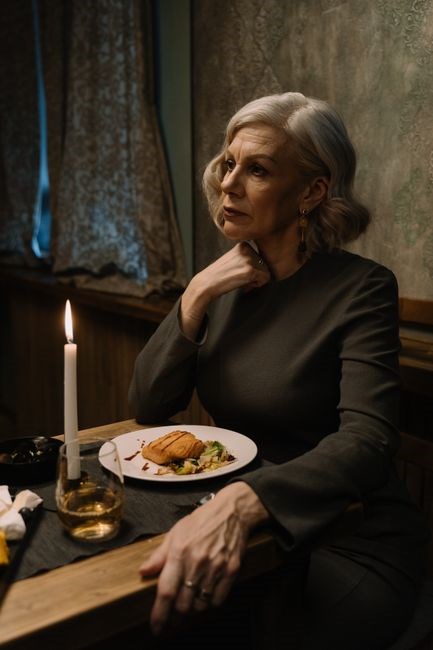
Engage guests with interactive clues, maintain tight pacing, rehearse timing, use simple set changes, encourage audience participation, and keep the mystery unfolding until the final reveal. Rehearse lighting, involve servers, and test timing for smooth flow
Engaging the Audience
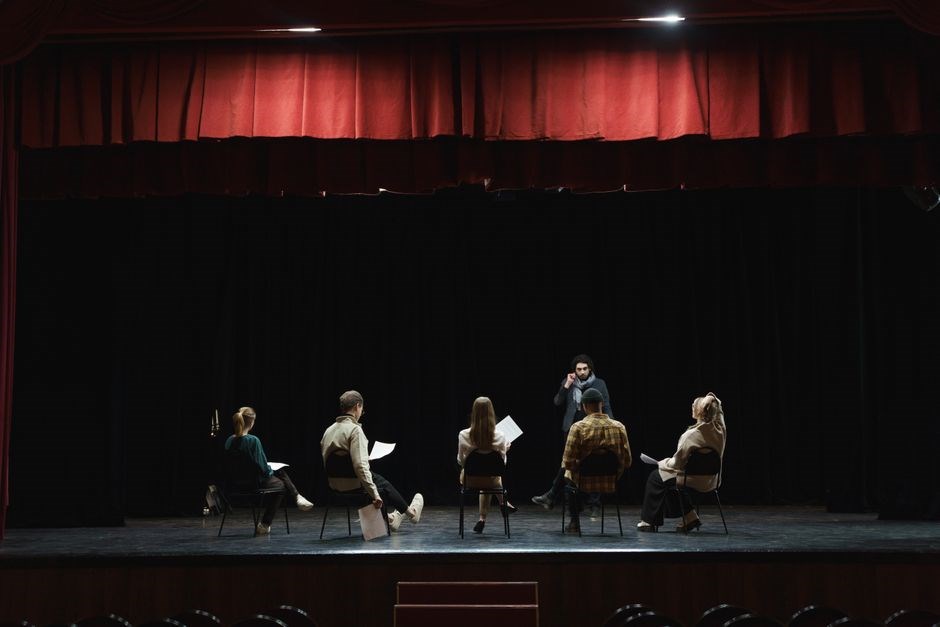
To captivate diners, weave clues into the menu, let servers double as clue‑givers, and prompt guests to discuss theories at their tables. Use subtle stage cues that invite speculation, and intersperse short, comedic interludes to keep energy high. Encourage participation by assigning roles—each table can become a detective squad, sharing evidence and voting on suspects. Create a sense of urgency by revealing key plot twists only after a certain time, ensuring guests stay attentive. Employ ambient lighting and soundscapes that shift with narrative beats, subtly guiding emotional responses. Offer tangible rewards, such as themed tokens, for correct guesses, fostering friendly competition. Finally, conclude with a dramatic, satisfying resolution that ties all clues together, leaving diners both entertained and intellectually stimulated, ready to discuss the mystery long after the last bite.
Another effective tactic is to incorporate live clues that evolve with audience interaction. For instance, a hidden message can be revealed when a guest deciphers a riddle, prompting a spontaneous shift in the storyline. This keeps diners on their toes and encourages collaborative deduction, turning the dinner into an immersive investigative adventure.
Timing and Pacing
Effective timing keeps diners engaged while they savor food. Begin with a concise opening that establishes the mystery, then pause for the first course so guests can process clues. Insert brief dramatic moments between courses to maintain momentum. A common tactic is to reveal a key twist just before dessert, using the natural pause to heighten suspense. Align each script act with meal stages: exposition before appetizers, rising action during the main dish, and resolution during dessert or a final toast. Actors should follow clear stage cues indicating when to pause, speak, or move, avoiding long silences. Provide subtle prompts—such as whispered hints or props—to keep the audience alert. Pace dialogue to match the meal tempo: brisk exchanges during high‑energy scenes, slower, reflective moments during quieter courses. Finally, rehearse the full run‑through with kitchen staff to synchronize lighting, sound, and service, ensuring a seamless blend of theater and dining that keeps guests guessing until the last bite. Moreover, consider incorporating interactive elements such as a live clue reveal on a projected screen, or a brief improvisational segment where guests can suggest motives, thereby deep mystery experience.