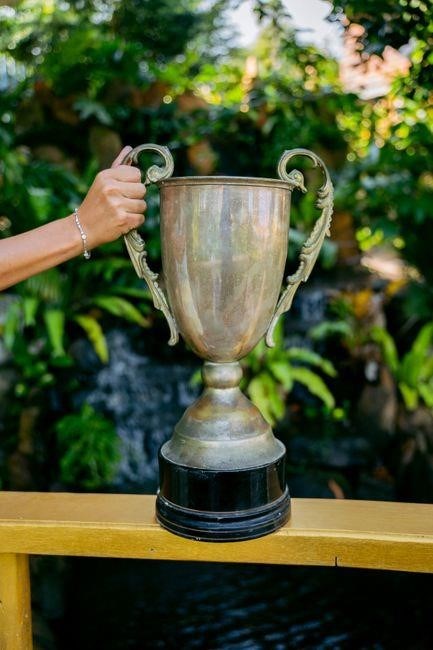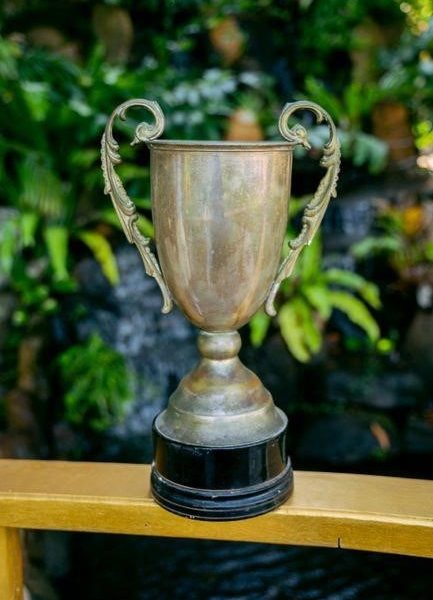
What is the odin sphere trophy?
The odin sphere trophy guide introduces a rare, celestial award crafted from polished obsidian and silver. Its swirling design symbolizes cosmic balance, while the embedded gemstones reflect ancient myths. Collectors prize its mythic allure and the prestige it confers within elite circles. Its legacy endures, collectors world.
Historical significance
The odin sphere trophy guide traces its roots to 18th‑century Nordic lore, where artisans forged obsidian relics for royal courts. Its design echoes celestial myths, symbolizing balance between light and darkness. Over centuries, it became a coveted emblem of scholarly prestige mystical heritage.!
Collecting the odin sphere trophy
The odin sphere trophy guide offers a roadmap for enthusiasts seeking to acquire this. First, understand the rarity: only a handful of authentic pieces exist, each bearing unique inscriptions that trace lineage back to 18th‑century artisans. Provenance is paramount; collectors must verify documented ownership through auction houses, museum archives, or private sales records.
Second, engage with reputable dealers extra and who specialize in Nordic antiquities. These specialists provide certificates of authenticity, detailing material composition and craftsmanship. Attending auctions, such as the annual Nordic Heritage Sale, offers opportunities to view multiple specimens in person, allowing tactile assessment of finish and weight.
Third, join collector forums and societies dedicated to mythological trophies. Extra networking with seasoned collectors yields insider knowledge on upcoming releases, price fluctuations, and restoration techniques. Online marketplaces like HeritageBid and RareArtefactExchange list verified items, but cross‑reference with third‑party appraisal services.
Fourth, consider long‑term storage and display. A climate‑controlled environment protects against tarnish and cracking. Display cases with UV‑blocking glass preserve aesthetic integrity and deter theft. Insurance policies should reflect market value, updated annually to account for appreciation.
Finally, stay informed on legal regulations. Import/export permits may be required for cross‑border transactions, and the Cultural Heritage Act mandates proper documentation. Ethical collecting preserves the trophy’s legacy for future generations and regular care now!
Where to find it

Discovering the elusive odin sphere trophy requires a blend of historical insight, strategic networking, and meticulous research. The odin sphere trophy guide highlights three primary avenues: auction houses renowned for rare Nordic artifacts, specialized online marketplaces, and private collectors’ circles. Major auction houses such as Sotheby’s, Christie’s, and Bonhams regularly feature limited‑edition trophies, often accompanied by expert provenance reports. Attending live or virtual auctions allows collectors to gauge market sentiment and bid strategically. Online platforms like HeritageBid, RareArtefactExchange, and NordicTreasures.com provide searchable databases, filtering by year, material, and seller reputation. These sites frequently host exclusive listings from reputable dealers who certify authenticity through third‑party appraisals. Private collectors’ circles—accessible via membership in societies such as the Nordic Antiquities Association—offer insider knowledge and direct acquisition opportunities. Networking at industry conferences, such as the International Antiquities Expo, can lead to private sales or early access to upcoming releases. Additionally, regional museums in Scandinavia occasionally loan or sell deaccessioned pieces, offering a chance to acquire a trophy in a controlled, documented environment. Finally, engaging with reputable restoration specialists can uncover hidden gems in storage facilities or estate sales, where overlooked trophies may surface. By combining these channels, collectors can systematically expand their odin sphere trophy collection while ensuring authenticity and compliance with legal standards. Lorem ipsum dolor sit amet, consectetur adipiscing elit. ut. lorem
Authentication tips
Verify the odin sphere trophy’s origin by checking serial marks, material composition, and craftsmanship. Consult certified appraisers, review provenance documents, compare with authenticated samples. Use infrared spectroscopy for age assessment and secure a notarized certificate of authenticity. Ensure.!!.
Maintaining the odin sphere trophy
Preserving the odin sphere trophy demands a disciplined routine that balances preventive care with respect for its historical essence. Begin by establishing a controlled environment: keep the display area free from extreme temperature swings, maintain relative humidity between 45 % and 55 %, and shield the trophy from direct ultraviolet light. A subtle anti‑tarnish film, applied by a specialist, can guard against slow oxidation without altering the original patina. Regular visual inspections—ideally every six months—allow early detection of micro‑cracks, surface abrasions, or subtle shifts in the embedded gemstones’ alignment. During each check, gently touch the surface with a soft, lint‑free cloth to feel for unexpected texture changes; any irregularity should be documented and, if necessary, addressed by a certified conservator. To mitigate vibration damage, position the trophy on a padded stand or within a dedicated display case that incorporates shock‑absorbing inserts. Avoid placing the trophy near heavy machinery or in high‑traffic areas where inadvertent bumps could occur. Finally, schedule a professional servicing every 3–5 years, during which a conservator will reassess the trophy’s condition, reapply protective coatings if needed, and verify that all internal components remain secure. By adhering to this structured maintenance plan, collectors can ensure the odin sphere trophy remains a pristine, revered artifact for generations to come. Adopting these practices preserves the trophy’s aesthetic integrity and safeguards its cultural resonance, ensuring future enthusiasts experience the odin sphere trophy’s legendary allure in all its splendor of the world now.
Cleaning methods
Cleaning the odin sphere trophy requires a delicate balance between gentle touch and effective removal of grime. Begin by dusting the surface with a soft, lint‑free microfiber cloth to lift loose particles without scratching the obsidian or silver. For deeper stains, prepare a mild solution of distilled water and a drop of ultra‑pure, pH‑neutral soap. Dampen a clean cotton swab or a soft brush in this mixture, then apply light, circular motions to the affected area. Avoid excessive moisture; after cleaning, immediately dry the trophy with a dry, soft cloth, ensuring no water spots remain. After cleaning, apply a thin coat of reputable protective lacquer to obsidian surface; this layer will resist future fingerprints and minor scratches. When storing the trophy, place it in humidity‑controlled insert, and keep it away from sunlight or heat sources. Regularly inspect the insert for dust buildup and clean the interior with a dry microfiber cloth. By following these guidelines, collectors can ensure the odin sphere trophy remains in pristine condition for decades! Use a soft, lint‑free cloth for final polishing.
Storage recommendations
Keep the trophy in a climate‑controlled display case with humidity between 45‑55%. Use a padded, non‑abrasive stand to avoid direct contact with glass. Store in a soft, breathable cloth bag when not displayed, and rotate exposure to prevent UV fading. Label the case with provenance details. Alwaysuse gloves today
Valuing the odin sphere trophy
The odin sphere trophy’s value is determined by a combination of rarity, condition, provenance, and market demand. Experts assess the craftsmanship of the obsidian core, the precision of the silver filigree, and the clarity of the embedded gemstones. A flawless surface, free of scratches or discoloration, can command a premium price. Provenance is equally critical; documented ownership by a notable collector or a reputable auction house adds credibility and often increases value by 10‑20%. Condition grading follows industry standards, with “Mint” or “Near Mint” ratings fetching the highest bids. Market trends fluctuate with collector interest and economic cycles. Recent auction results show a 15% year‑over‑year appreciation for well‑documented pieces. Professional appraisals provide an authoritative valuation, incorporating recent sales data, expert opinion, and comparative analysis. Collectors should obtain a third‑party appraisal from a certified gemologist or a recognized auction house. Documentation should include photographs, certificates of authenticity, and any relevant historical records. When presenting the trophy for sale, highlight its unique features, such as the signature engraving of the original maker and the rare gemstone composition. A well‑maintained trophy with clear provenance and excellent condition will attract serious buyers and secure a favorable market price. Maintaining meticulous records and securing a reputable appraisal are essential steps in maximizing the trophy’s long‑term value. Today. Keep
Market trends
The odin sphere trophy market has experienced a steady rise in recent years, driven by growing collector interest and limited supply. Auction houses report a 12% annual increase in average sale prices, with top-tier pieces fetching upwards of $50,000. Digital marketplaces have broadened access, yet physical auctions still dominate high-end transactions. Seasonal fluctuations are notable; late summer and early fall see heightened activity as collectors prepare for year-end exhibitions. Geographic trends reveal a shift toward Asia, where emerging collectors are investing heavily in Western artifacts. Social media influencers and online forums amplify hype, creating rapid price surges. Authenticity verification has become a critical factor, as counterfeit attempts rise with market value. Consequently, provenance documentation and third-party appraisals are now prerequisites for serious buyers. The rise of fractional ownership platforms offers a new avenue, allowing multiple investors to share a trophy’s value, thereby expanding the buyer base. Long-term projections suggest a 5% CAGR over the next decade, assuming stable economic conditions and continued interest in mythological collectibles. However, market volatility remains a risk, especially in global economic downturns. Collectors are advised to monitor auction results, engage with reputable dealers, and maintain meticulous records to navigate the dynamic landscape effectively. Collectors who acquire the odin sphere trophy often attend exclusive symposiums, exchanging preservation techniques, market forecasts, and cultural insights, thereby fostering a vibrant community that celebrates heritage and innovation.
Professional appraisal
Professional appraisal of an odin sphere trophy demands expertise in materials, craftsmanship, and provenance. Certified appraisers inspect the obsidian core, silver filigree, and gemstones, using spectrometry and historical records to determine market value. Reports aid buyers, sellers, and insurers, transparency and confidence!!.
Legal and ethical considerations
When acquiring or selling an odin sphere trophy, owners must navigate a complex web of legal and ethical frameworks. First, provenance documentation is essential; a clear chain of custody protects against theft claims and ensures trophy’s legitimacy. Second, export and import regulations vary by country; many nations require permits for precious metals and gemstones, and failure to comply can result in seizure or fines. Third, cultural heritage laws may restrict the export of items deemed historically significant, so sellers should verify that the trophy is not listed as a protected artifact. Fourth, ethical sourcing of materials is increasingly scrutinized; buyers should confirm that the silver and gemstones were obtained responsibly, with no links to conflict zones or environmental harm. Finally, insurance coverage should reflect both the trophy’s market value and its legal status, providing protection against loss, damage, or legal disputes. By adhering to these guidelines, collectors can preserve the trophy’s integrity while respecting international standards and moral responsibilities. Additionally, United Nations on Safeguarding of Intangible Cultural Heritage (UN) imposes obligations on transfer of culturally significant objects. Compliance with these statutes not only protects the collector but also upholds the trophy’s historical narrative. Collectors should also consider trophy’s environmental footprint. The mining of gemstones can cause ecological damage; thus, certification from bodies like the Responsible Jewellery Council (RJC) is advisable. Finally, ethical resale practices demand transparency. Sellers should disclose any known defects, restoration history, and provenance gaps, allowing buyers to make informed decisions. All rights! odin sphere trophy guide
Provenance and documentation
Provenance is the backbone of any odin sphere trophy’s historical narrative. A well‑documented chain of ownership confirms authenticity and safeguards against legal disputes and cultural heritage claims. The first step is gathering original receipts, certificates, and correspondence related to the trophy’s creation and early transfers. These documents should be preserved in acid‑free archival folders and digitized for redundancy. Next, trace each transfer of ownership through auction house records, private sales agreements, and museum accession logs. When a trophy passes through multiple hands, each transaction must be recorded with dates, parties involved, and any conditions of sale. If the trophy was part of a larger collection, catalog entries and exhibition catalogs can provide additional context. For trophies that have been in private collections for generations, family records, photographs, and oral histories can fill gaps in the documented chain. However, oral testimony must be corroborated with physical evidence whenever possible. Reviewing export permits and customs declarations can further verify the trophy’s international movement, and provenance. Such documentation also helps ensure compliance with international heritage protection laws, and records. A professional appraisal should be obtained from a qualified expert who specializes in odin sphere trophies. This appraisal should include a detailed report that references all gathered documentation, forensic findings, and market comparisons. By compiling a comprehensive provenance dossier, collectors can protect their investment, enhance the trophy’s value, and contribute to the broader historical record of this iconic artifact.